K-Vibe Philippines: Karaoke & Nightlife Guide

The Ultimate Guide to Filipino Music Trends and K-Culture.

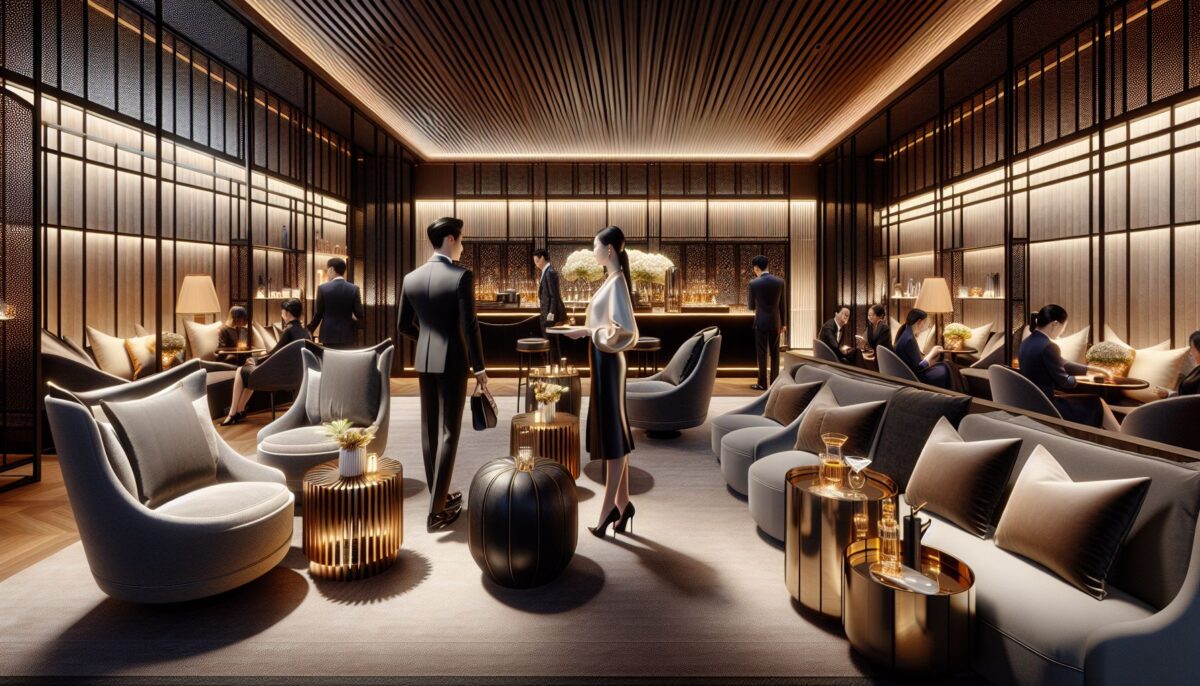
Essential Etiquette for Filipinos Visiting a Premium Gangnam Lounge

Visiting a premium lounge in Gangnam, Seoul, can be an exciting experience. The atmosphere is vibrant, and the service is top-notch. Understanding basic etiquette will enhance your visit. This article details important behavior protocols, dress codes, tipping practices, and communication tips to ensure you are prepared for your night out.

Understanding the Atmosphere of a Premium Lounge

What to Expect

  • Ambiance: Premium lounges often feature dim lighting, soft music, and stylish décor. This creates an intimate environment.
  • Service: Expect attentive service. Staff members prioritize customer satisfaction and often anticipate needs.

Time Considerations

  • Peak Hours: Crowds swell on weekends and holidays. Arriving early may provide a more relaxed experience.
  • Closing Time: Be aware of the lounge’s operating hours. Last orders may be taken well before closing.

Dress Code for Premium Lounges

General Guidelines

  • Smart Casual: Aim for a polished appearance. Men should consider dress shirts and tailored trousers. Women often wear elegant dresses or chic outfits.
  • Footwear: Choose stylish shoes. Avoid overly casual options like flip-flops or worn sneakers.

Cultural Sensitivity

  • Colors and Styles: Bright colors are welcomed, but avoid overly flashy or casual attire.
  • Accessorizing: Subtle jewelry adds sophistication. Overdoing it may appear gaudy.

Ordering Drinks and Food

Drink Selection

  • Local Choices: Try local favorites like soju or Korean beer.
  • Cocktails: Premium lounges offer unique cocktails. Don’t hesitate to ask for recommendations.

Food Etiquette

  • Sharing: If opting for sharing plates, serve others first before taking your portion.
  • Utensils: Use chopsticks correctly. Placing them down before drinking is seen as polite.

Tipping Practices

Standard Tips

  • Service Charge: Many premium lounges add a service charge. Check your bill to avoid double-tipping.
  • Adding Extra: If you receive exceptional service, adding a small tip is appreciated but not mandatory.

Local Customs

  • Cash vs. Cards: Cash is often preferred, though cards are accepted. Be prepared with small bills for tips.

Communication Tips

Engaging with Staff

  • Politeness Matters: Use “hello” and “thank you” in Korean (“annyeonghaseyo” and “gamsahamnida”). This shows respect and appreciation.
  • Requests: Speak clearly and maintain a friendly demeanor. Respect staff decisions if certain requests cannot be fulfilled.

Interacting with Other Guests

  • Personal Space: Respect personal spaces while conversing. Overly close interactions may be uncomfortable for some.
  • Small Talk: Discussing general topics, such as food or travel, works well. Avoid sensitive issues like politics.

Practical Examples

Example Scenario 1: Arriving at the Lounge

Upon arriving, park your vehicle properly. Enter the lounge, greet the host, and confirm your reservation if applicable. Wait patiently as staff escort you to your table.

Example Scenario 2: Ordering Drinks

Once seated, a server will approach for your order. Politely inquire about popular drinks. If unsure, ask for their specialty.

Example Scenario 3: Paying the Bill

At the end of your visit, ask for the bill. Review it, and check for any additional service charges. If pleased, consider leaving a small cash tip before departing.

Pros and Cons of Visiting a Premium Gangnam Lounge

| Pros | Cons |
|——————————–|——————————–|
| High-quality service | Higher prices compared to bars |
| Unique drink offerings | Possible long wait times |
| Vibrant social atmosphere | Dress code enforcement |
| Ideal for special occasions | Can feel crowded on weekends |

FAQ Section

1. What should I do if I am uncomfortable?

If you feel uncomfortable, consider changing your seating or politely asking staff for assistance. Your comfort is important.

2. Are there any protocols for photography?

Always ask before taking photos, especially of other guests. Respecting privacy is crucial in premium settings.

3. How can I make a reservation?

Check the lounge’s website or social media for reservation options. Making one in advance is advisable, especially during peak times.

4. Is it okay to go alone?

Yes, visiting alone is perfectly acceptable. Enjoy your personal time, or interact with others if comfortable.

Visiting a premium lounge in Gangnam provides a chance to enjoy fine drinks and a vibrant atmosphere. Following these etiquette guidelines will help you navigate your experience smoothly, ensuring a memorable night out.
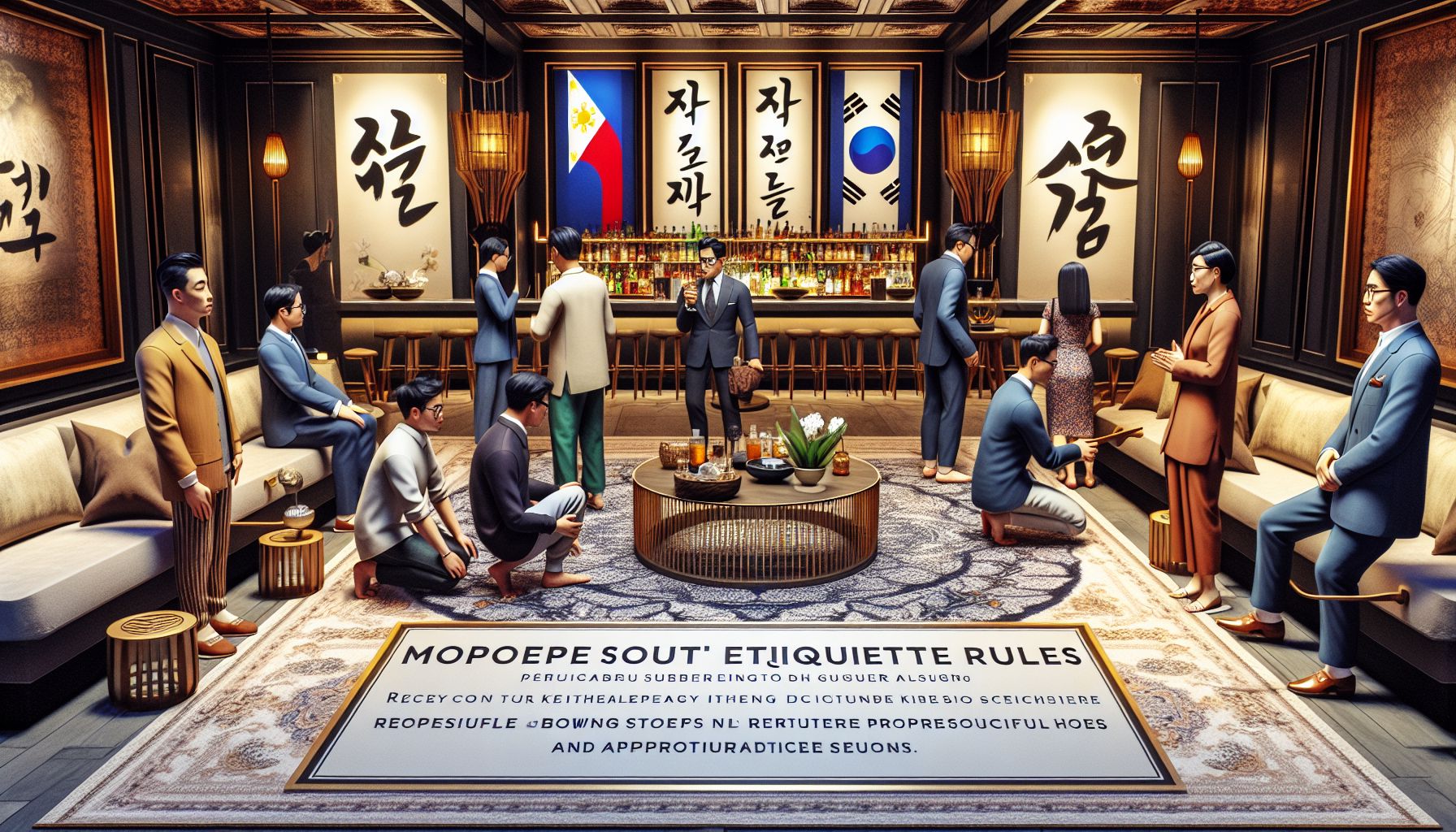
Best Mobile Apps to Practice Your Singing Before Hitting the KTV

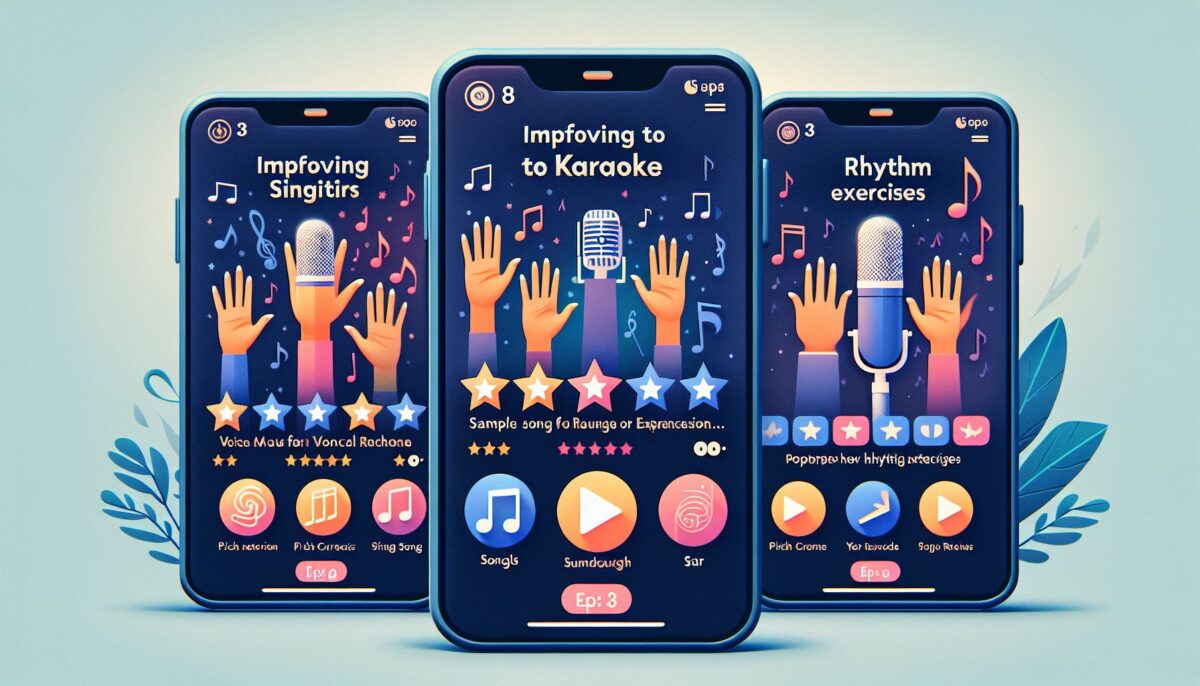
Singing has become an integral part of entertainment, especially at karaoke venues (KTVs). Whether you are a casual singer or aiming for a professional sound, practicing with the right tools can significantly improve your performance. Mobile apps provide accessible platforms to refine your vocal skills anytime and anywhere. This article will explore the best mobile apps to practice singing, helping you shine at your next KTV night.

Why Use Mobile Apps to Practice Singing?

Convenience

Mobile apps enable you to practice singing on-the-go. You can use them at home, during commutes, or even at a café. This flexibility allows for more consistent practice.

Built-in Tools

Many apps come with features such as pitch recognition, vocal exercises, and song libraries. These tools can help you assess your singing quality and track your progress over time.

Community Support

Several apps include social features. You can connect with other singers, gather feedback, and even share your performances for encouragement.

Top Mobile Apps for Singing Practice

1. Smule

Overview
Smule is one of the most popular singing apps available. It provides a vast library of songs across various genres.

Key Features
Duets: Sing with your favorite artists or friends.
Voice Effects: Adjust your voice with multiple filters to enhance your practice experience.
Share Performances: Post your recordings socially for feedback.

Pros and Cons of Smule

| Pros | Cons |
|————————|———————–|
| Large song selection | Requires internet access|
| Social interaction | Some features are paid |

2. Yousician

Overview
Yousician is tailored for singers and musicians alike. It provides structured lessons and exercises to build your skills progressively.

Key Features
Interactive Lessons: Step-by-step vocal training adapted to your skill level.
Real-time Feedback: The app listens to your pitch and provides instant feedback.
Gamification: Earn points and rewards for completing lessons.

Pros and Cons of Yousician

| Pros | Cons |
|———————–|———————–|
| Structured lessons | Subscription required |
| Engaging interface | Limited song library |

3. StarMaker

Overview
StarMaker focuses on connecting singers through social features and a large song library.

Key Features
Karaoke Mode: Sing along with lyrics displayed on-screen.
Video Recording: Share video performances on social platforms.
Collaborations: Join other users for shared performances.

Pros and Cons of StarMaker

| Pros | Cons |
|———————–|————————|
| Extensive community | Ads and in-app purchases |
| User-friendly interface | Occasional bugs |

4. Karaoke by Hachi

Overview
Karaoke by Hachi is designed for karaoke lovers, offering both popular songs and lesser-known tracks.

Key Features
Built-in Lyrics: Lyrics are displayed while you sing.
Customizable Backing Tracks: Modify instruments and vocal settings.
Offline Mode: Practice without requiring internet access.

Pros and Cons of Karaoke by Hachi

| Pros | Cons |
|———————–|————————|
| Offline capabilities | Smaller song library |
| Easy to navigate | Interface needs updates |

Practical Example: Improving Vocal Skills

Imagine you are preparing for a KTV night with friends. You decide to use Smule to practice a popular song. After selecting the track, you record yourself. The app provides real-time pitch feedback, allowing you to pinpoint areas for improvement. You repeat the process several times, each time refining your technique. Eventually, you gain confidence in your vocal delivery and feel ready to impress your friends.

Comparison of Apps

When choosing a singing app, consider these key factors:

  1. Song Library: The number and variety of songs available.
  2. User Experience: The app’s interface and ease of use.
  3. Cost: Subscription fees and in-app purchases.
  4. Feedback Mechanism: The quality of feedback on your singing.

Summary of Key Features

| App Name | Song Library | User Experience | Cost | Feedback Mechanism |
|——————|————–|——————|————|——————–|
| Smule | Extensive | User-friendly | Freemium | Real-time |
| Yousician | Moderate | Engaging | Subscription| Interactive |
| StarMaker | Large | Easy to navigate | Freemium | Community-driven |
| Karaoke by Hachi | Smaller | Simple | Free | Basic |

FAQs

1. Are these apps free?

Most apps offer free versions, but premium features may require a subscription.

2. Can I practice without an internet connection?

Apps like Karaoke by Hachi allow offline practice, while others may require internet access.

3. Do these apps provide voice coaching?

Apps like Yousician offer structured lessons and feedback, acting like a vocal coach.

4. Can I perform duets with these apps?

Yes, apps like Smule and StarMaker allow for duet performances with other users or artists.

By selecting the right mobile apps, you can transform your singing skills. Remember to practice consistently, gather feedback, and most importantly, enjoy the process. Your next KTV night will be a success!

Comparing Karaoke Cultures: Seoul vs Manila ? What’s the Difference?

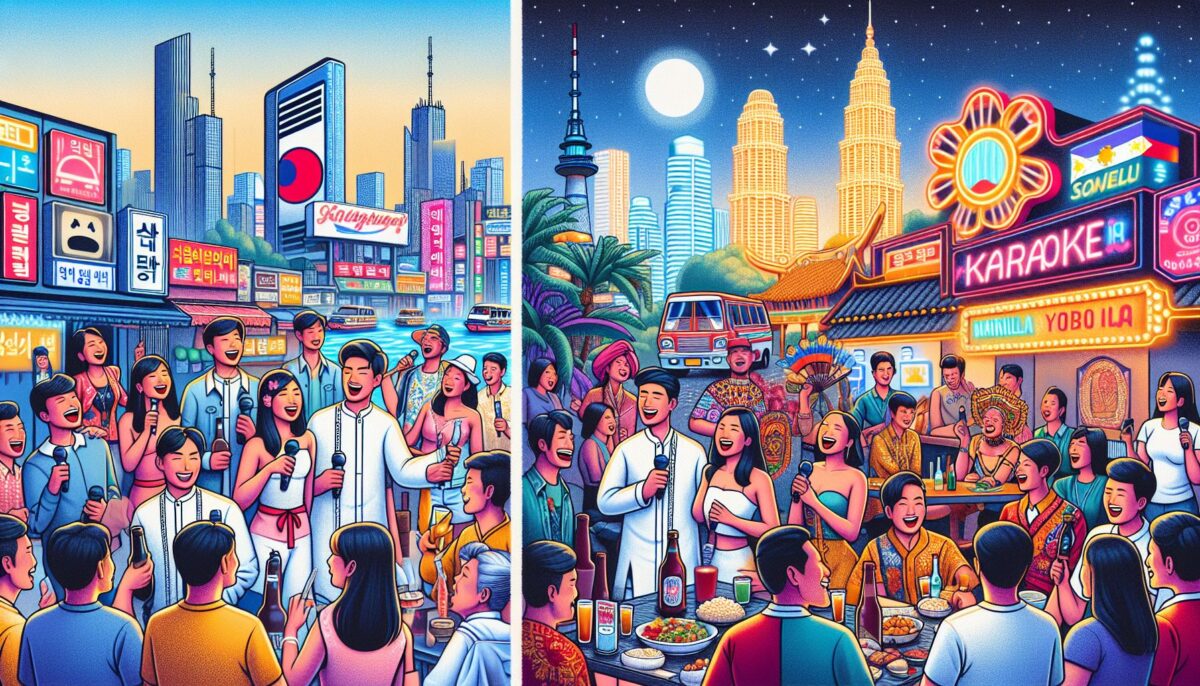
Karaoke is more than just a pastime in Asia; it is a cultural phenomenon. In cities like Seoul and Manila, singing your heart out has become an essential part of socializing and entertainment. This article explores the differences between karaoke cultures in these two vibrant cities, examining their settings, styles, song selections, and the social aspects surrounding karaoke.

The Origins of Karaoke: A Brief Overview

Seoul: A Dance with Technology

  • Modern Era: In the 1970s, karaoke began in Japan. Seoul adopted and localized this trend.
  • Technology Integration: Korean karaoke bars often incorporate the latest sound systems and visual technology. Screens display lyrics, and many places offer private rooms for a more intimate experience.

Manila: A Love for Music

  • Historical Roots: Karaoke in the Philippines has deep roots in the country’s musical heritage. It gained popularity in the 1980s.
  • Community and Sing-Alongs: Filipinos enjoy singing in groups, and it often takes place in various settings—from homes to bars.

Differences in Venue and Experience

Private Rooms vs. Public Spaces

  • Seoul: Most karaoke venues, known as noraebang, provide private rooms for groups. This setup encourages a comfortable atmosphere.
  • Manila: While some karaoke bars have rooms, many feature open areas. This allows for a more public performance. Singers often share the stage, leading to spontaneous interactions.

Atmosphere and Ambiance

  • Noraebang: These Korean venues are often sleekly designed, with modern furnishings and interactive systems. Ambient lighting adds to the experience.
  • Karaoke Bars in Manila: Filipino venues are more casual. They often feature bright decorations and a festive mood, enhancing the party vibe.

Song Selection: East Meets West

Language and Genre Preferences

  • Seoul: Korean pop (K-pop) dominates the song selection. Local hits, as well as international music, are available, but K-pop reigns supreme.
  • Manila: Song choices range from pop ballads to classic Filipino favorites. English songs, particularly Western music, are prevalent, appealing to a wide audience.

Accessibility

  • Seoul’s Technology: Song databases are updated regularly, giving patrons access to the latest hits. Users can easily search for songs through a digital interface.
  • Manila’s Nostalgic Favorites: Many Filipinos enjoy singing songs from their childhood. Classic hits are readily available, and lyrical familiarity enhances participation.

Social Dynamics of Karaoke

Filial and Familial Bonds

  • Seoul: Karaoke often serves as a bonding activity among friends or colleagues after work. It strengthens social connections in corporate culture.
  • Manila: Karaoke scenarios frequently involve families. Celebrations like birthdays or holidays highlight this atmosphere, welcoming everyone from grandparents to children.

Approach to Performance

  • Seoul: Singing may feel more performative, with singers aiming to impress. There is a focus on vocal skill.
  • Manila: Performance tends to be more about enjoyment than skill. The crowd encourages participation, regardless of expertise.

Practical Examples

Noraebang in Seoul

  • Experience: You enter a stylish room, equipped with high-tech sound systems. You choose songs via a tablet interface. Sessions often include snacks and drinks.
  • Popular Chains: G karaoke and K Cube are popular for their modern setups and expansive song databases.

Karaoke Bars in Manila

  • Experience: Picture a lively environment. Singers take turns performing on a stage, often joined by friends. It’s common to see people jumping along or cheering.
  • Popular Places: Red Box and Smokey’s are well-known venues that capture the lively essence of Filipino karaoke culture.

Comparison Table: Karaoke in Seoul vs. Manila

| Feature | Seoul | Manila |
|————————————|—————————|—————————-|
| Venue Type | Private rooms (noraebang) | Open stage or private |
| Atmosphere | Sleek and modern | Casual and festive |
| Song Selection | K-pop dominant | Mix of Filipino and English|
| Social Setting | Friends/colleagues | Family-oriented |
| Performance Style | More performative | Fun and inclusive |

FAQ Section

1. What is the main difference between noraebang and typical karaoke bars?

Noraebang provides private rooms for groups, while many karaoke bars in Manila often feature an open stage for communal singing.

2. What genres are most popular at karaoke in Seoul and Manila?

Karaoke in Seoul focuses on K-pop and contemporary hits, while Manila embraces a variety of genres, with a strong emphasis on classic Filipino and Western songs.

3. How do social norms differ between the two karaoke cultures?

In Seoul, karaoke often emphasizes skill and vocal performance, especially among friends or colleagues. In contrast, Manila encourages participation for fun, often including family members in celebrations.

4. Are there famous karaoke songs in both cultures?

Yes, popular karaoke songs in Seoul include current K-pop hits. In Manila, notable favorites may include classics like “Buwan” or “Paano Kita Mapapasalamatan.”

Understanding these differences enhances our appreciation of karaoke culture in both cities. Each experience reflects their society’s values and collective spirit, making karaoke a unique aspect of life in Seoul and Manila.

Top 5 Classic OPM Songs for a Perfect Videoke Night in the Philippines

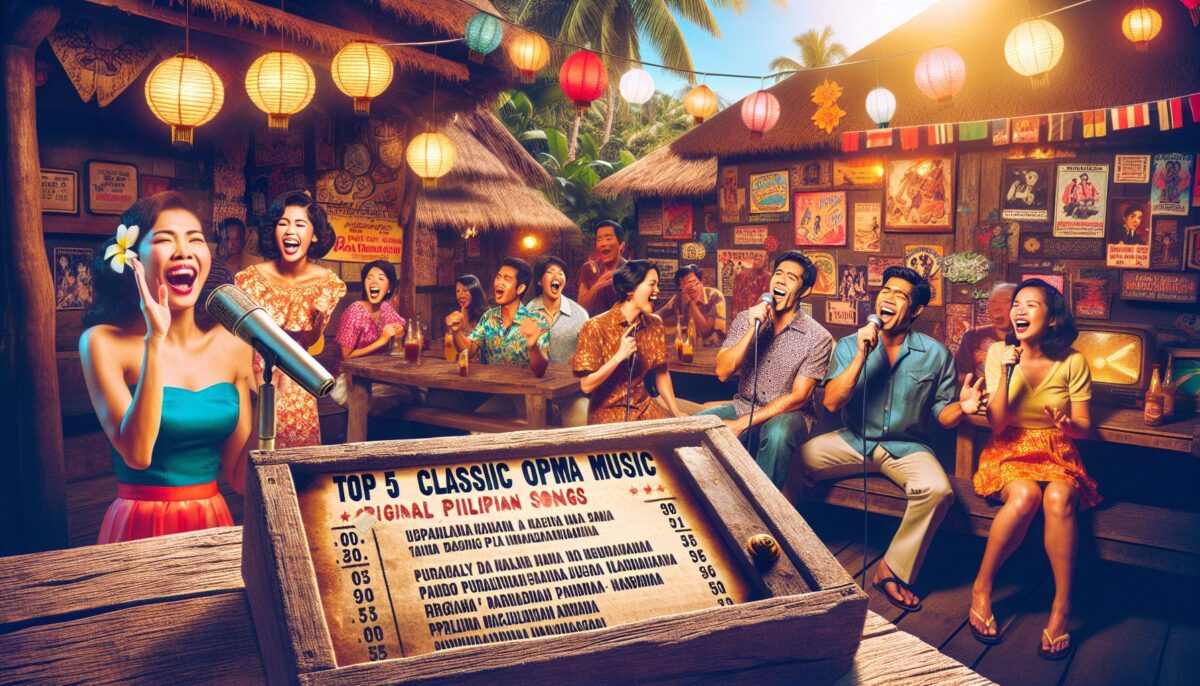
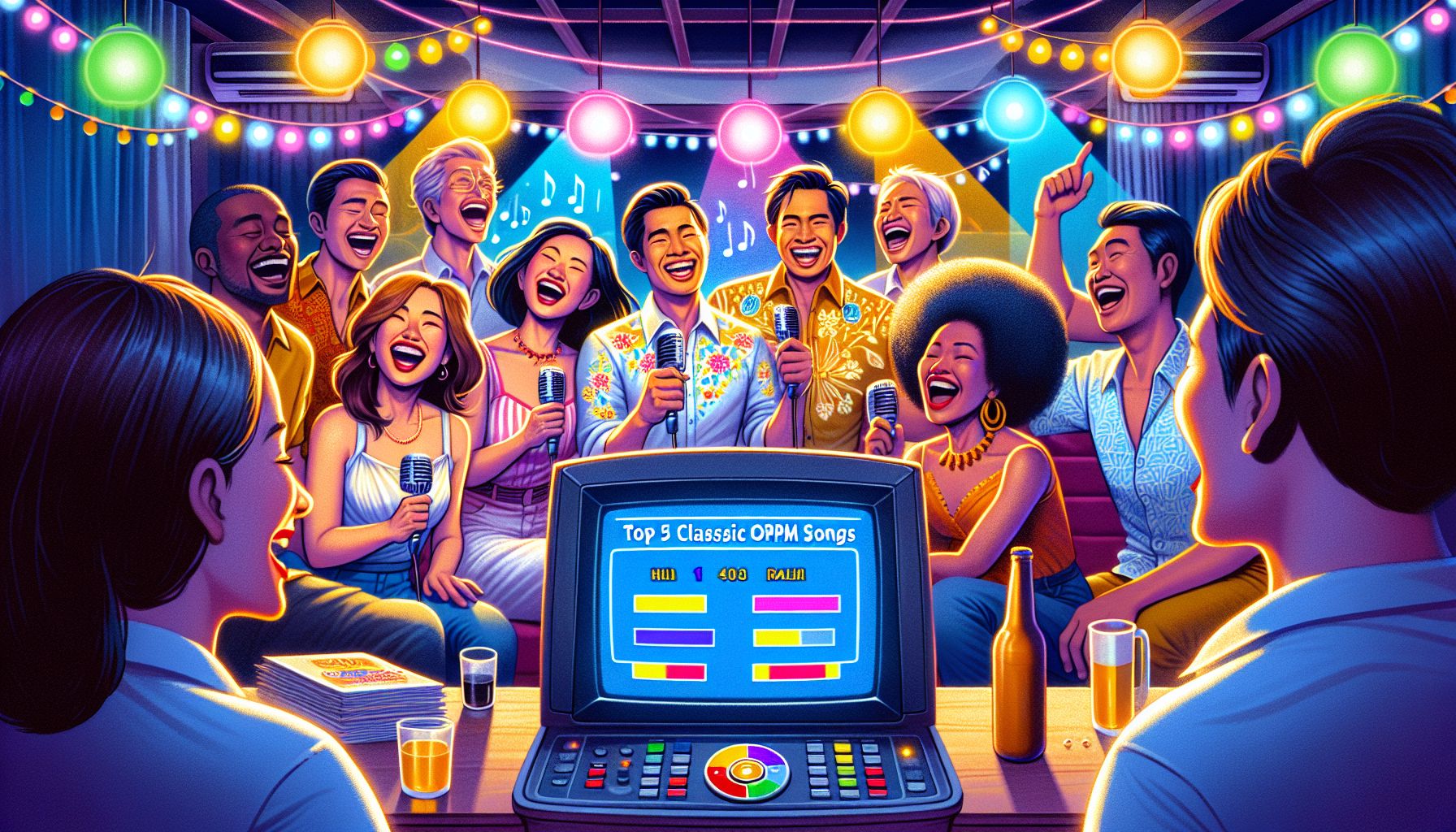
A videoke night is a cherished tradition in the Philippines, where family and friends gather to sing their hearts out. No videoke session feels complete without the right playlist. In this article, we explore the top 5 classic Original Pilipino Music (OPM) songs that can elevate your videoke experience. Each song carries its own story and nostalgia, making them perfect for any gathering.

1. “Buwan” by Juan Karlos

Overview

Released in 2019, “Buwan” became an instant classic. Its mix of retro vibes and modern sound resonates with various age groups.

Why It’s a Must-Sing

  • Catchy Melody: The soothing melody invites everyone to join in.
  • Cultural Significance: The song reflects Filipino folklore and themes that are relatable.

Singing Tips

  • Emphasize the rhythm.
  • Utilize gestures that reflect the moonlit imagery in the lyrics.

2. “Tadhana” by Up Dharma Down

Overview

“Tadhana,” released in 2008, showcases the deep emotional connection many Filipinos feel toward love and fate.

Why It’s a Must-Sing

  • Emotional Depth: The heartfelt lyrics resonate with experiences of love and longing.
  • Dynamic Performance: This song allows for variation in vocal expression, making it engaging.

Singing Tips

  • Aim for emotional resonance.
  • Convey the song’s feelings through facial expressions.

3. “Kaleidoscope World” by Francis M.

Overview

“Kaleidoscope World” is a hip-hop classic from 1995, celebrating the country’s rich cultural diversity.

Why It’s a Must-Sing

  • Upbeat Vibe: Its energetic delivery gets everyone moving.
  • Cultural Pride: The song promotes unity among Filipinos.

Singing Tips

  • Boost the energy level.
  • Encourage group participation for a fuller sound.

4. “Hawak Kamay” by Yeng Constantino

Overview

Hawak Kamay, released in 2008, is a popular ballad about companionship and support.

Why It’s a Must-Sing

  • Relatable Theme: The lyrics depict loyalty and friendship, making it perfect for bonding moments.
  • Sing-Along Quality: The simple structure makes it easy to remember.

Singing Tips

  • Maintain a warm tone.
  • Connect with the audience through eye contact.

5. “Anak” by Freddie Aguilar

Overview

“Anak,” released in 1978, is one of the most iconic OPM songs, recognized worldwide.

Why It’s a Must-Sing

  • Timeless Message: The song speaks to parent-child relationships and generational bonds.
  • Global Impact: Its international recognition makes it a familiar choice, even for non-Filipinos.

Singing Tips

  • Focus on conveying a heartfelt message.
  • Use pauses effectively to emphasize emotional lines.

Practical Examples: Creating the Perfect Playlist

Creating a great videoke playlist involves mixing upbeat songs with ballads for variation. Here’s how to do it:

  1. Open with an Upbeat Song: Start with “Kaleidoscope World” to energize your guests.
  2. Follow with a Ballad: Transition to “Tadhana” to shift to slower songs.
  3. Mix Energies: Alternate between high-energy tracks and emotional ballads throughout the night.

Sample Playlist Structure

  • Opening: “Kaleidoscope World”
  • Mid-Session: “Hawak Kamay”
  • Heartfelt Moment: “Anak”
  • Closer: “Buwan”

Pros and Cons of Classic OPM Songs at Videoke Nights

| Pros | Cons |
|———————————–|———————————-|
| Nostalgic: Evokes memories | Overplayed: Some may be tired of popular tracks |
| Cultural Connection: Builds camaraderie | Language Barrier: Non-Filipinos may have difficulty with some lyrics |
| Diverse Choices: Various genres available | Vocal Range: Not all songs suit every singer’s voice |

FAQ Section

1. What makes OPM songs special for videoke?

OPM songs capture Filipino culture and emotions uniquely. They resonate deeply with audiences and create a sense of community.

2. Can non-Filipinos enjoy OPM songs in videoke?

Yes, while they may find language a barrier, many OPM songs have universal themes of love, friendship, and nostalgia that anyone can appreciate.

3. How do I choose songs for my videoke night?

Consider the mood you want to create. Mix upbeat songs with slower, emotional tracks to maintain engagement.

4. Are there modern OPM songs worth adding?

Absolutely. While classic OPM songs are timeless, newer tracks bring fresh energy. Always keep your playlist updated to cater to all ages.

Gather your friends and family, and make your next videoke night memorable with these classic OPM songs. Whether you’re belting out powerful ballads or jamming to upbeat tracks, these selections will ensure a fantastic time for everyone involved.

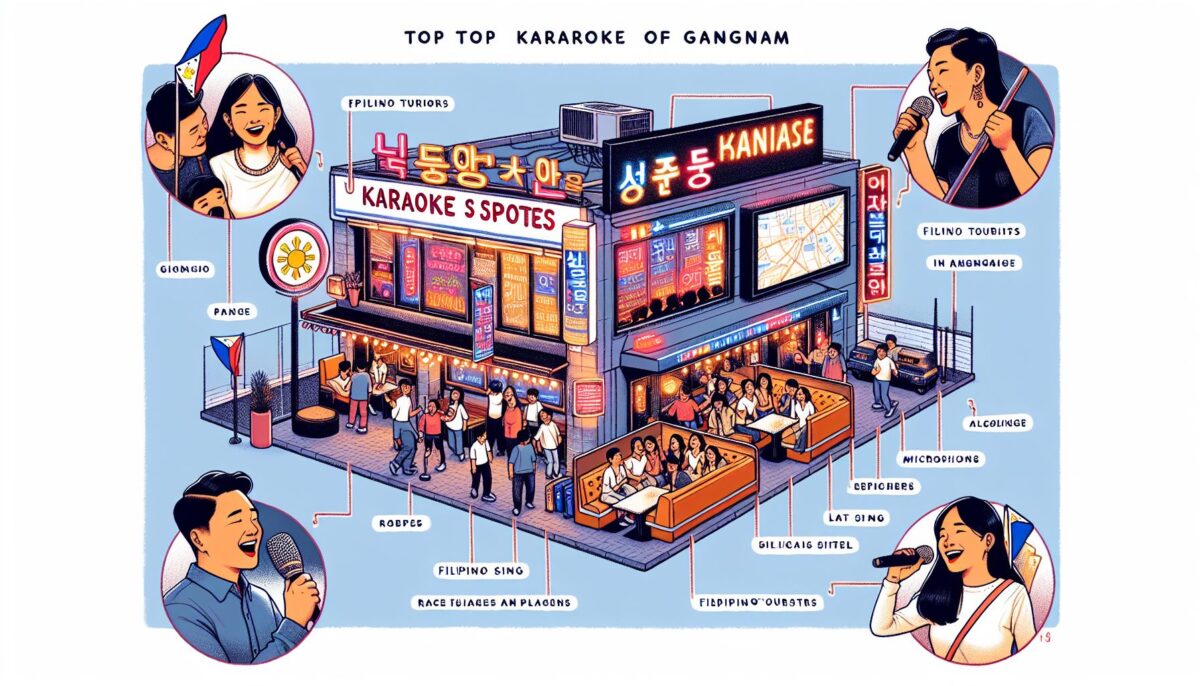
A Guide to the Best Karaoke Spots in Gangnam for Filipino Tourists

Karaoke is a popular activity in South Korea, and Gangnam is no exception. This lively district offers numerous spots for karaoke enthusiasts. Filipino tourists, in particular, will find comfort in the vibrant atmosphere and the welcoming attitude of locals. This guide highlights some of the best karaoke venues in Gangnam, ensuring a memorable experience filled with music and fun.

Why Karaoke Matters in Korean Culture

Karaoke, known as “noraebang” in Korea, plays a significant role in social gatherings. Here’s why it matters:

  • Social Activity: Karaoke enhances connections between friends and colleagues. People bond over shared music.
  • Stress Relief: Singing allows for a great release of stress. It’s popular among locals seeking relaxation.
  • Cultural Expression: Many people express their emotions and personalities through songs.

Understanding this background helps Filipino tourists appreciate the experience even more.

Top Karaoke Spots in Gangnam

1. Karaoke Club M

Location: Near Gangnam Station

  • Ambiance: Modern and stylish with private rooms.
  • Song Selection: Features a wide variety of both Korean and international hits.
  • Pricing: Affordable rates, with discounts on weekdays.

Recommendations:
– Try popular Filipino songs like “Tadhana” or “Buwan” to connect with the locals.

2. Luxury Karaoke

Location: Apgujeong Rodeo Street

  • Ambiance: Upscale with luxurious decor and sound systems.
  • Song Selection: Extensive library including many Tagalog songs.
  • Pricing: Higher-end but worth the experience.

Recommendations:
– Order signature drinks for a full experience while singing.

3. Noraebang Gil

Location: Close to Sinsa-dong

  • Ambiance: Cozy and vibrant atmosphere.
  • Song Selection: Focuses on pop hits from various countries.
  • Pricing: Competitive rates with group discounts.

Recommendations:
– Bring a group for a fun night out. The more, the merrier!

4. Sing Sing

Location: Within walking distance from Gangnam Station

  • Ambiance: Casual with a friendly vibe.
  • Song Selection: Features both classics and the latest hits.
  • Pricing: Budget-friendly, especially on weekdays.

Recommendations:
– Enjoy free snacks during certain hours. Perfect for longer sessions!

5. Noraboss

Location: Near Gangnam Main Street

  • Ambiance: Trendy and inviting, great for young crowds.
  • Song Selection: A good mix of English and Korean songs.
  • Pricing: Affordable packages for long hours.

Recommendations:
– Join the karaoke parties organized weekly for additional fun.

Practical Examples of Filipino Tourists Enjoying Karaoke

To illustrate, let’s consider two scenarios:

  1. Family Group: A Filipino family visits Karaokе Club M. They sing together, laughing and sharing stories while hitting high notes to “Kahit Isang Saglit.”

  2. Friends Night Out: A group of college friends choose Sing Sing. They bond over their shared love for OPM (Original Pilipino Music) and enjoy singing “Tadhana” while drinking.

These examples show how karaoke serves as a bridge between cultures, uniting people through music.

Pros and Cons of Karaoke in Gangnam

| Pros | Cons |
|—————————————-|————————————-|
| Welcoming atmosphere | Can be crowded on weekends |
| Wide selection of songs | Some places may be pricey |
| Opportunities to connect with locals | Language barriers in some venues |
| Unique cultural experience | Reservations may be needed during peak times |

This table provides a clear overview of the advantages and potential drawbacks. Weighing these factors helps in selecting the perfect karaoke spot for your night out.

Tips for Filipino Tourists at Karaoke in Gangnam

  • Learn Few Key Phrases: Knowing basic Korean phrases can enhance your experience. Phrases like, “Jal Saeng-gah!” (Let’s sing well!) can break the ice.
  • Respect Local Etiquette: Wait for your turn. Avoid hogging the microphone.
  • Bring Friends: Karaoke is more fun in a group. Invite friends to share the experience.
  • Try Local Snacks: Many karaoke spots offer food. Trying Korean dishes like tteokbokki can add to the enjoyment.

FAQs about Karaoke in Gangnam

1. Is karaoke popular among locals?
Yes, karaoke is a favored pastime for Koreans of all ages.

2. Do karaoke spots offer English songs?
Most venues provide a wide range of songs, including popular English hits.

3. Can I book a karaoke room in advance?
Yes, many places accept phone reservations, especially for busy nights.

4. What is the typical price range?
Prices vary, but expect to pay between 20,000 to 50,000 won for room rentals, depending on the group size and time.

Engaging with karaoke in Gangnam offers an unforgettable glimpse into both Korean culture and the universal love for music. Enjoy your singing adventure and make lasting memories!

Karaoke

How the Korean Wave is Changing the Manila Nightlife Scene

The Korean Wave, known as “Hallyu,” has transformed many aspects of culture across the globe. In the Philippines, it significantly impacts the nightlife scene in Manila. From K-pop to Korean cuisine, this cultural phenomenon is reshaping how Filipinos enjoy their evenings. Let’s explore the various ways Hallyu is altering the capital’s nightlife landscape.

The Rise of K-Pop in Manila Nightlife

K-Pop Entertainment Venues

Manila is witnessing an influx of K-Pop-themed venues. These places attract fans who want to immerse themselves in the K-Pop culture. Karaoke bars, clubs, and cafes often feature K-Pop music and decor.

  • Karaoke Bars: Many bars have started including K-Pop song lists. Fans flock to these places to sing their favorite hits.
  • Clubs: Major clubs host K-Pop-themed nights where DJs play both local and international K-Pop music.

Dance Competitions and Events

Dance competitions inspired by K-Pop have become popular. Fans gather to showcase their dancing skills, and these events draw large crowds.

  • Dance Cover Contests: Many clubs or community spaces host these events, allowing fans to perform dances from their favorite idols.
  • Flash Mobs: Organized flash mobs often engage crowds and create hype around K-Pop.

The Influence of Korean Cuisine

Korean Restaurants and Food Trends

The popularity of Korean food has skyrocketed in Manila. This culinary trend shapes not only what people eat but also where they spend their evenings.

  • Korean BBQ: Establishments offering Korean BBQ have gained popularity, providing interactive dining experiences.
  • Street Food: Korean street food, such as tteokbokki and kimbap, is now widely available in various food stalls and restaurants.

Late-Night Dining

With the rise of Korean culinary options, late-night dining has transformed. People are now choosing Korean food as a go-to option for late-night snacks.

  • Korean Fried Chicken: This dish has become a favorite among night owls.
  • Soju Consumption: Bars serving Korean liquor, like soju, have increased, complementing the dining experience.

K-Drama’s Role in Shaping Nightlife Preferences

Viewing Parties and Fan Gatherings

K-Dramas have captivated audiences across the Philippines. Many establishments capitalize on this trend by hosting viewing parties.

  • Themed Events: Bars arrange K-Drama-themed nights, where fans can watch episodes while enjoying drinks.
  • Meet-ups: K-Drama fan clubs often organize meet-ups at bars or cafes, fostering community among fans.

Merchandise and Memorabilia

Fan engagement extends beyond the screen. Merchandising opportunities within nightlife venues allow fans to buy K-Drama-related items.

  • Pop-Up Shops: Some venues set up stalls during viewing parties to sell merchandise, such as clothing and collectibles.
  • Collaborations: Bars may partner with local artists to create unique K-Drama-themed items, creating a demand among the audience.

Cultural Exchange and Filipino Adaptation

Blending Local Culture with K-Entertainment

Filipinos are increasingly incorporating K-Entertainment elements into their own traditions. This fusion creates a vibrant atmosphere in the nightlife scene.

  • Karaoke and Fiesta: Combining karaoke with Filipino fiestas creates an exciting environment.
  • Music Collaborations: Local artists are beginning to collaborate with K-Pop acts, enhancing the cultural exchange.

Events for All Ages

The influence of Hallyu is not limited to young adults. Various events target people of all ages, broadening the appeal.

  • Family-Friendly Venues: Some places host family-oriented events featuring K-Pop or K-Drama.
  • School Activities: Institutions often hold K-Pop dance events or K-Drama screenings for students.

Practical Examples

Case Study: Love Kulture Café

Love Kulture Café showcases the blend of Korean culture and Filipino hospitality.

  • Entertainment: The café features K-Pop music and hosts weekly dance challenges.
  • Menu: It serves a mix of Korean and traditional Filipino dishes, attracting diverse customers.

Case Study: K-Pop Night Out in Clubs

Numerous clubs regularly host K-Pop nights.

  • Events: These nights feature K-Pop dance covers and competitions.
  • Turnout: Clubs report increased attendance during themed events compared to regular nights.

Pros and Cons of the Korean Wave in Manila Nightlife

| Pros | Cons |
|——————————————–|———————————————-|
| Increased variety in entertainment options | Over-commercialization of K-Pop culture |
| Boosted local economy through tourism | Potential cultural misunderstandings |
| Strengthened community among fans | Risk of exclusivity in nightlife spaces |

FAQs

What is the Korean Wave?
The Korean Wave, or Hallyu, refers to the global popularity of South Korean culture, including K-Pop, K-Dramas, and Korean cuisine.

How does K-Pop influence Manila’s nightlife?
K-Pop influences Manila’s nightlife through themed clubs, karaoke bars, and dance competitions that attract a vibrant community of fans.

Are K-Dramas affecting social gatherings?
Yes, K-Dramas lead to viewing parties and fan meet-ups, creating opportunities for fans to connect and enjoy their passion together.

What kind of food is popular in Manila’s Korean-themed venues?
Korean BBQ, fried chicken, and street food items like tteokbokki are popular options.

In summary, the Korean Wave is reshaping Manila’s nightlife into a vibrant, inclusive, and culturally rich experience. As K-Pop and Korean cuisine continue to flourish, the evenings in Manila will likely become even more engaging and dynamic.

Top 10 K-Pop Songs Every Filipino Karaoke Lover Should Know

Karaoke is a beloved pastime in the Philippines. It brings joy and entertainment to family gatherings, parties, and karaoke bars. K-Pop, with its catchy melodies and vibrant performances, has quickly gained popularity in karaoke settings. Here’s a list of Top 10 K-Pop Songs that every Filipino karaoke lover should know. These tracks are not just hits; they are anthems that encourage everyone to join in the fun.

1. “Dynamite” by BTS

Why It Stands Out

  • Catchy Beat: This song features an upbeat rhythm that is perfect for karaoke.
  • Inclusive Lyrics: Its English lyrics make it accessible for everyone to sing along.

Key Elements

  • Dance Moves: The choreography is simple yet fun, enhancing the karaoke experience.
  • Joyful Theme: It promotes positivity and happiness, making it ideal for any gathering.

2. “How You Like That” by BLACKPINK

Why It Stands Out

  • Powerful Vocals: BLACKPINK delivers strong performances that resonate with singers.
  • Memorable Hook: The chorus is particularly catchy, encouraging participation.

Key Elements

  • Visual Impact: Known for its stunning music video, it sparks inspiration for dramatic performances.
  • Variety of Styles: The song includes rap and vocals, making it versatile for different singers.

3. “Gayo” by Yano and Kim Hyun-joong

Why It Stands Out

  • Cultural Significance: This song combines modern K-Pop with traditional Korean sound.
  • Singable Melodies: Its melodies stick easily in listeners’ minds.

Key Elements

  • Fun to Perform: Its lively tempo encourages energetic performances.
  • Engaging Story: The lyrics tell a story that resonates with fans.

4. “Love Scenario” by iKON

Why It Stands Out

  • Relatable Themes: This song captures the essence of youthful love.
  • Laid-back Beat: The gentle rhythm makes it an excellent choice for relaxed singing sessions.

Key Elements

  • Easy to Sing: The vocal range is manageable for most singers.
  • Group Performance: Its collaborative nature makes it great for group karaoke.

5. “Cheer Up” by TWICE

Why It Stands Out

  • Uplifting Message: This lively track promotes joy and encouragement.
  • Catchy Chorus: Its engaging hook makes it a fan favorite in karaoke bars.

Key Elements

  • Colorful Aesthetics: The song’s visual elements inspire fun performances.
  • Dance Breaks: Interspersed dance moves elevate the karaoke experience.

6. “TT” by TWICE

Why It Stands Out

  • Iconic Dance Moves: The signature moves are instantly recognizable.
  • Catchy Tune: The infectious hook draws everyone in.

Key Elements

  • Playful Lyrics: The lyrics are fun and easy to remember.
  • Appeal to All Ages: Both young and older audiences can enjoy this song.

7. “Monster” by EXO

Why It Stands Out

  • Intense Performance: This song showcases powerful vocals and dynamic performances.
  • Engaging Drama: The lyrics tell a compelling story that adds depth to performances.

Key Elements

  • Range of Emotions: The song combines intensity with vulnerability.
  • Memorable Beat: Its rhythm is memorable, ensuring a thrilling karaoke experience.

8. “Fake Love” by BTS

Why It Stands Out

  • Emotional Resonance: The heartfelt lyrics resonate with many fans.
  • Iconic Feel: This song’s popularity makes it a must-sing at karaoke.

Key Elements

  • Dramatic Presentation: It encourages singers to express deep emotions.
  • Visual Elements: The music video inspires creativity in performances.

9. “Lovesick Girls” by BLACKPINK

Why It Stands Out

  • Empowerment Theme: This track speaks to independence and resilience.
  • Chorus Catchiness: Its singable chorus makes it a solid karaoke choice.

Key Elements

  • Melodic Pacing: The song flows well, making it easier to follow.
  • Group-Friendly: Perfect for group performances, creating a stronger bond through music.

10. “Red Flavor” by Red Velvet

Why It Stands Out

  • Fun and Playful: This cheerful song invites everyone to smile.
  • Easy to Dance: Bright choreography complements the song perfectly.

Key Elements

  • Cheerful Energy: It adds a lively vibe to karaoke sessions.
  • Catchy Catchphrases: Its memorable phrases encourage the audience to join in.

Karaoke Lovers

Practical Examples

Integrating these songs into karaoke rotation can elevate the experience. Here are some scenarios:

  • Family Gatherings: Include “Cheer Up” and “Dynamite” for a light-hearted atmosphere.
  • Parties: Use high-energy tracks like “TT” and “Lovesick Girls” to get everyone dancing.
  • Friends’ Night Out: Perform “How You Like That” for a fun, engaging group sing-along.

Pros and Cons of K-Pop Karaoke Songs

| Pros | Cons |
|——————————————–|——————————————–|
| Catchy Melodies | Some songs may be challenging to sing |
| Energetic Dance Moves | Language barrier for non-Korean speakers |
| Engaging Group Performances | May not appeal to everyone |
| Team Spirit | Limited availability in some karaoke places |

FAQ

1. Why are K-Pop songs popular in Filipino karaoke?

K-Pop songs are catchy, easy to sing, and often feature themes that resonate with many people. The upbeat nature of these songs adds to the fun, making them ideal for karaoke.

2. Can I find these songs in local karaoke bars?

Yes, many local karaoke bars have embraced the K-Pop trend and include these songs in their songbooks. However, always check if specific tracks are available.

3. What is the best way to perform K-Pop songs?

Focus on both singing and performance. Use simple dance moves to engage the audience, and remember to convey the emotions of the lyrics.

4. Are there any K-Pop songs in English?

Yes, many K-Pop songs include English parts or are fully in English, like BTS’ “Dynamite,” making them accessible for a wider audience.

K-Pop songs bring a joyful and energetic vibe to any karaoke session. If you haven’t tried singing these hits yet, gather your friends and family, and let the music take over. Enjoy the lively performances and create lasting memories with